You land in Nadi. Then what?
Which island boat actually gets you a beach. What sevusevu asks of you before you sit down in a village. Whether the mud pools are worth the drive inland. Every tour in Fiji, reviewed and ranked.
Where you sleep in Fiji decides what you can do.
Almost everything on this site departs from one of five places, and four of them are within an hour or so of each other. Start from the one your hotel is on.
The five bases, and what each one is for
 NadiThe airport town — land tours, the temple, the mud valley134 tours
 DenarauThe marina — nearly every boat leaves from here62 tours
 The Coral CoastThe south shore — the river, the dunes, Natadola20 tours
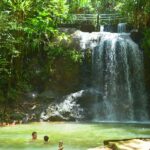 SuvaThe capital, wetter and greener, hours east9 tours
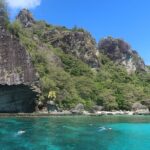 Across Viti LevuNot a town — the island all of the above sit on, for days that range wide80 tours
From Nadi, these are the six days that fill up first.
The boats out of Denarau marina, warm mud at Sabeto, a jet boat up the Sigatoka, an afternoon as a village guest, the temple in town, and the orchid garden under the Sleeping Giant ridge.
Which Mamanuca island is your day off?
All island day trips →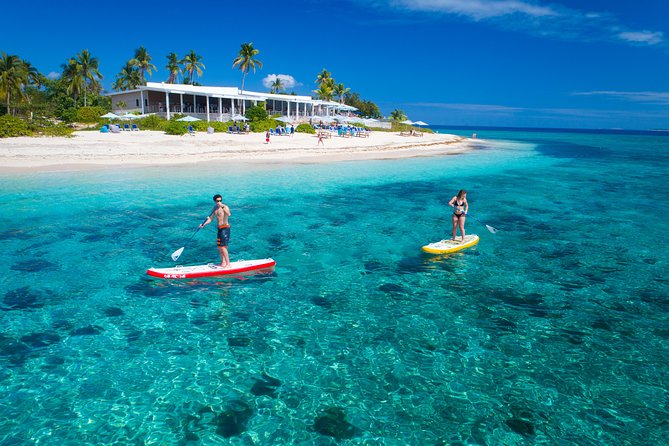
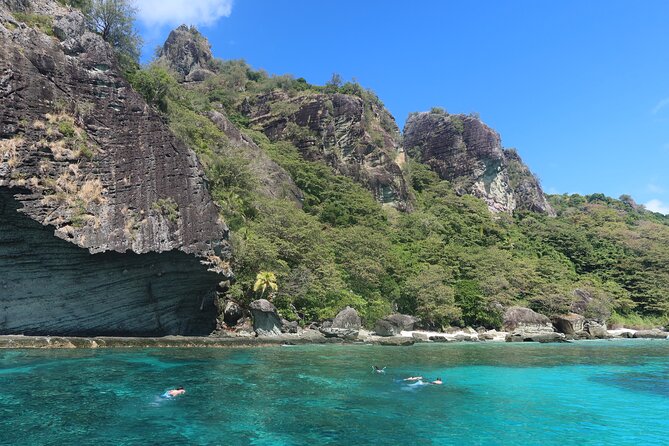
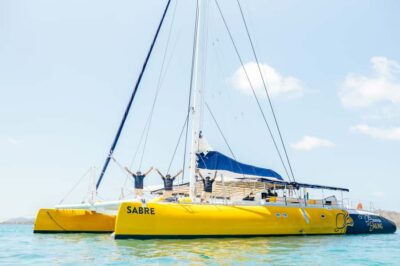
They all leave Port Denarau in the morning and have you back for dinner. What differs is what the crossing actually buys you: an island handed over to a day club, a sand cay with lunch laid on, or a deck moored over the reef with nowhere to walk to.
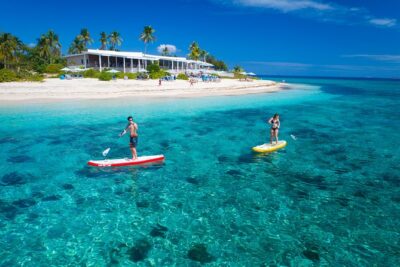
Malamala: a whole island, one bar
The only island in the Mamanucas handed over entirely to day visitors — pool, loungers, shaded sand and a bar that runs all afternoon. You are not sharing it with a resort’s house guests, which is the whole idea.
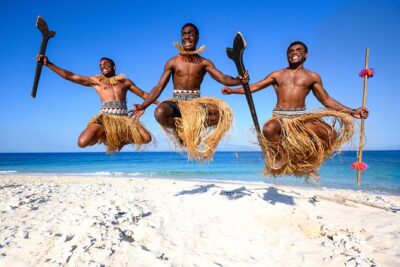
South Sea Island, lunch laid on
A coral cay you can walk around in ten minutes, with a semi-submersible over the reef, kayaks pulled up on the sand and lunch under cover. The classic first island day, and the one families book.
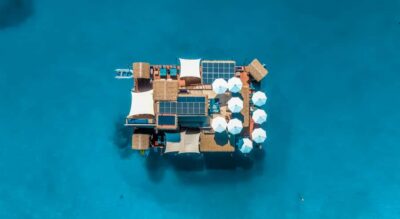
Seventh Heaven, moored over the reef
A two-storey deck anchored in open water off Malolo. You swim off it, you eat on it, and there is nowhere else to be — which sounds like a limitation until you have spent six hours doing exactly that.
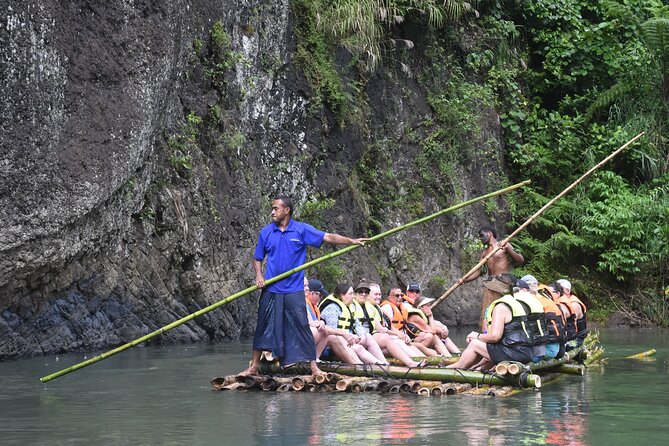
A Fijian village visit is somebody letting you into where they live.
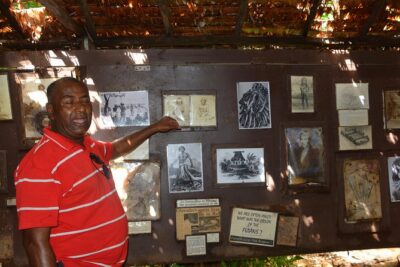
Most village afternoons open with sevusevu. Your guide presents a bundle of kava root to the turaga-ni-koro, the village headman, and waits to be welcomed in. It is the formal permission for you to be standing there, it is done properly, and it is the reason the rest of the afternoon works at all.
What is asked of you is small: a sulu or something below the knee, shoulders covered, hat off and sunglasses down off your head before you walk in. Kava is drunk seated, in rounds, from one shared bowl — clap once when the cup reaches you, drink it straight down, clap three times after. It tastes of wet earth and numbs your lips, and it is why everybody is still sitting there two hours later.
- 1Jewel Of Fiji incl Fijian Village, waterfall & Lunch(Nadi Hotels)from $111
- 2Cultural Night Tourfrom $82
- 3Garden Village Hot Spring & Temple Highlights Tourfrom $75
Nadi in one loop: mud, orchids and a temple in town.
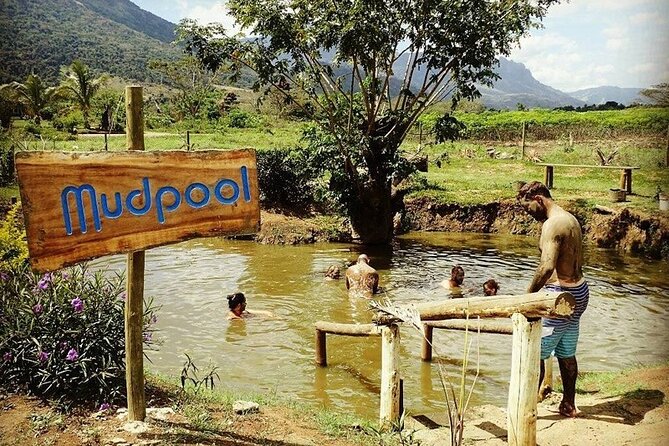
Half an hour inland from the airport strip, the Sabeto valley sits on a thermal field — a pool of warm grey mud to wade into, then hot pools to rinse in, each one hotter than the last. Under the Sleeping Giant ridge the orchid garden is a cool, quiet hour of boardwalk. Back in town, Sri Siva Subramaniya lets visitors in: shoes off at the door, and leather stays outside.
- 1Garden Village Hot Spring & Temple Highlights Tourfrom $75
- 2CFC Hot Spring Mud Pool,Garden Of Sleeping Giant And Village Visit Half Day Tourfrom $108
- 3ATV Quad Bike Adventure Tour Inc Hot Springs & Mud Pool (Departs Nadi)from $191
The tours more people take than anything else in Fiji.
Every review →Ranked by how many travellers have actually been and left a review. Airport runs are left out — they outnumber everything else on this island, and they are not a day out.
1
Cruisin Fiji: Authentic Fijian Day Cruise – Best Day in Fiji
Cruisin Fiji 8-hour Mamanuca Islands day cruise from Denarau: Mana Sand Bar, Monu Cove, Monuriki Cast Away island, snorkeling and buffet lunch.
From · $145
Read our review →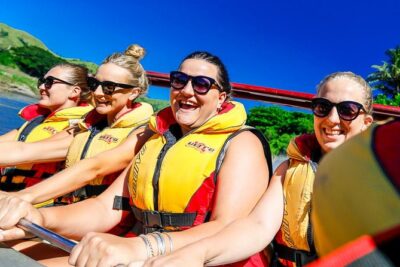 2
Jet Boat Safari on the Sigatoka River
from $140
2
Jet Boat Safari on the Sigatoka River
from $140
 3
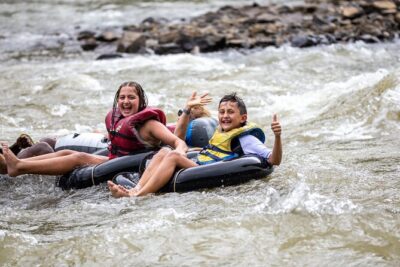
River Tubing Fiji, Navua River
from $93
3
River Tubing Fiji, Navua River
from $93
 4
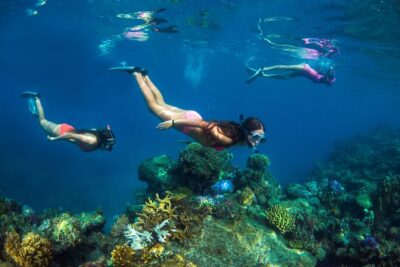
Captain Cook Cruises Fiji – Island and Reef Day Cruise
from $124
5
Malamala Beach Club – Full Day
from $89
4
Captain Cook Cruises Fiji – Island and Reef Day Cruise
from $124
5
Malamala Beach Club – Full Day
from $89
 6
South Sea Sailing Full Day Trip (5 years and above only)
6
South Sea Sailing Full Day Trip (5 years and above only)
 7
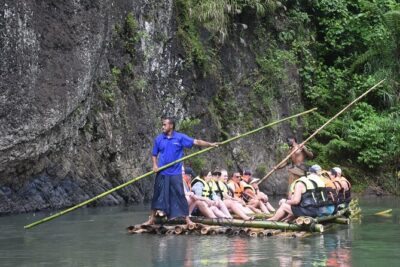
Jewel Of Fiji incl Fijian Village, waterfall & Lunch(Nadi Hotels)
from $111
8
Full Day South Sea Island with Lunch & Drinks
from $98
7
Jewel Of Fiji incl Fijian Village, waterfall & Lunch(Nadi Hotels)
from $111
8
Full Day South Sea Island with Lunch & Drinks
from $98
Everything on the water leaves Port Denarau before nine.
The marina on the Nadi side is where the island catamarans, the sailing days, the reef boats and the evening cruises all push off. If you are staying on the strip you can walk to your boat. If you are not, put the pickup in your plan and set an alarm.
The mud, the jet boat and the long line over the gorge.
Reef and beach you can find anywhere in this ocean. These three are local: a thermal valley behind the airport, a river run nobody else runs, and a cable strung across limestone above Nadi.
The Sabeto Mud Pools
The valley behind Nadi sits on a thermal field. You wade into a pool of warm grey mud, coat yourself in it, stand in the sun until it dries and cracks, then rinse through a run of hot pools that get hotter as you go. It takes about ninety minutes, there is no dignity in any part of it, and everyone comes out saying the same thing about their skin.
- 1Garden Village Hot Spring & Temple Highlights Tour★★★★★★★★★★ 4.6 · 339 reviews
- 2CFC Hot Spring Mud Pool,Garden Of Sleeping Giant And Village Visit Half Day Tour★★★★★★★★★★ 5.0 · 302 reviews
- 3ATV Quad Bike Adventure Tour Inc Hot Springs & Mud Pool (Departs Nadi)★★★★★★★★★★ 5.0 · 177 reviews
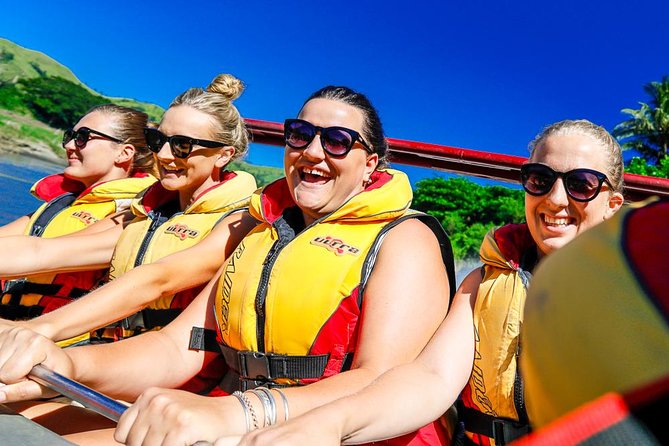
The Jet Boat Safari
The jet boats run a stretch of the Sigatoka the highway never sees — cane country first, then villages that face the water rather than the road. The boats pull in and you get out, and that is half the trip; the full-throttle spins on the flat water are the other half. Expect to be wet to the shoulders.
- 1Jet Boat Safari on the Sigatoka River★★★★★★★★★★ 5.0 · 1,135 reviews
- 2River Tubing Fiji, Navua River★★★★★★★★★★ 5.0 · 815 reviews
- 3Naihehe Cave Safari in Sigatoka with BBQ Lunch★★★★★★★★★★ 5.0 · 430 reviews
The Long Line
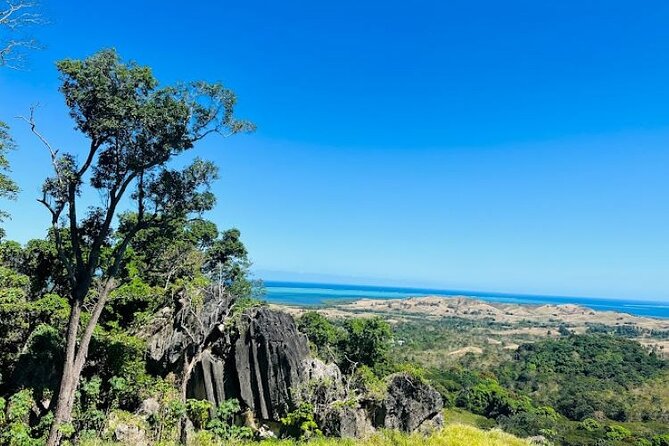
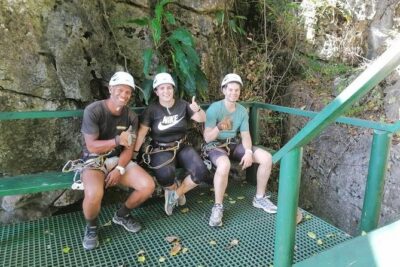
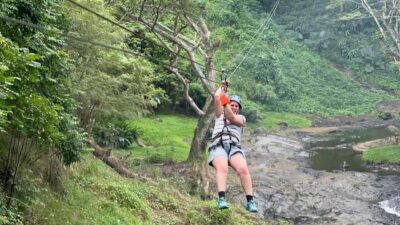
The course in the hills above Nadi strings its cables across a limestone gorge, and one run on it is billed as the longest in the South Pacific. Between flights you walk through the cave the course is built around. Closed-toe shoes, and expect the platforms to be wet most mornings.
- 1Largest Zipline in South Pacific & Cave Exploration in Nadi★★★★★★★★★★ 5.0 · 437 reviews
- 2Zipline Adventure and Cave Exploration★★★★★★★★★★ 4.9 · 190 reviews
- 316 Lines Zipline, Cave and Mud Spa Combo Tour with Lunch in Fiji★★★★★★★★★★ 5.0 · 65 reviews
What a day out in Fiji actually costs.
Every reviewed tour sorted by its lowest advertised price. Fiji is not a cheap-day destination — nearly everything here is a boat, a bus or a guide for most of a day — so these bands start higher than they would elsewhere.
Half-days and town runs: the temple loop, the market, a mud pool trip, a short river tour.
The middle of the market and most of the island boats — a full day out with lunch, usually with hotel pickup.
The long crossings and the small-group days: reef cruises, the jet boat, a private guide for a half-day.
Private cars for a whole day, charters, and the multi-night sailings that run north to the Yasawas.
The green half of Viti Levu starts twenty minutes off the coast road.
All waterfall tours →Behind the resort strip the island climbs fast — cane, then rainforest, then the Nausori highlands. This is where the waterfalls are, where the rivers come from, and where you still walk the last stretch on foot.
Jewel Of Fiji incl Fijian Village, waterfall & Lunch(Nadi Hotels)
Read our review →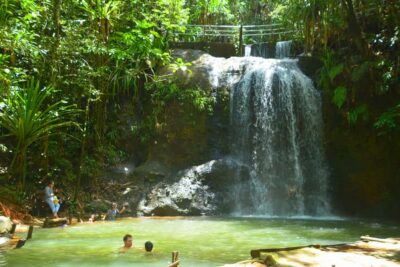
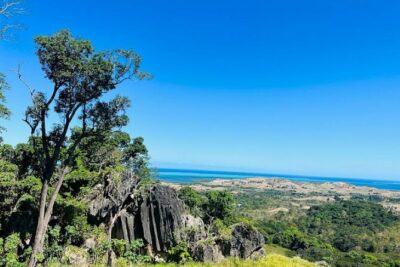
Private Breathtaking Koroyanitu Half Day Waterfall Hike
Read our review →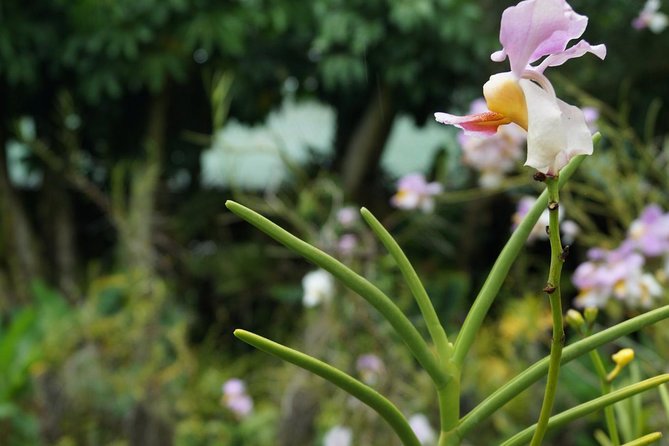
Fiji’s wet season does not cancel your day, it moves it.
The rain between November and April arrives hard, usually in the afternoon, and it is warm the whole time it is falling. It makes the waterfalls worth the walk and it makes no difference at all to a mud pool. What it does affect is small boats: an island crossing is the first thing an operator moves or refunds when the wind gets up. Book the water days early in your stay, so you keep a spare morning to move them into.
Book these before you leave for Fiji.
Most of Fiji can be arranged at your hotel desk the evening before. These cannot. Each one runs a single departure a day onto a boat or a platform with a hard capacity, and when that is full the day is simply gone.
- 01Day Trip to Cloud 9 Floating Platform Including Food and BeveragesOne moored platform reached by one morning boat. Capacity is the entire constraint.
- 02Seventh Heaven Fiji 6 Hour Experience on a Floating PlatformA floating deck with a fixed number of places — it either has room on your date or it does not.
- 03Malamala Beach Club – Full DayA day club on one small island, with numbers capped so that it stays a day club.
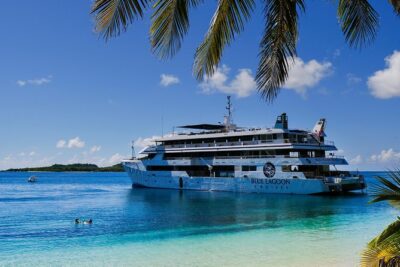
- 04Blue Lagoon Cruises – Wanderer Cruise – 4 NightThe northern islands run to a published timetable rather than on demand, and the longer sailings sell by cabin.
By experience — what kind of day is it?
The Fiji reviews we published most recently.
All recent →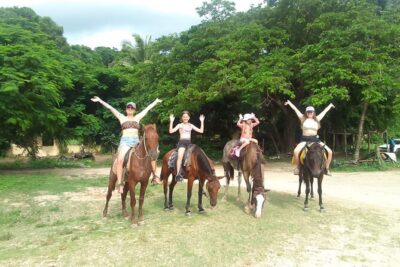
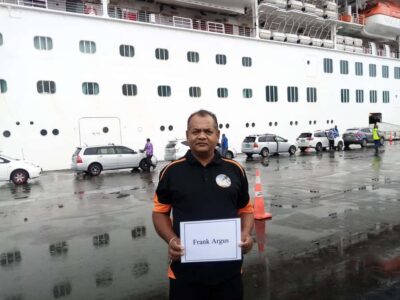
Lautoka Cruise Ship to Natadola Beach Round Trip
Read our review →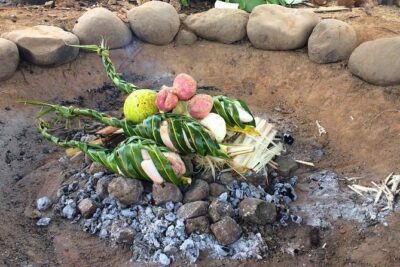
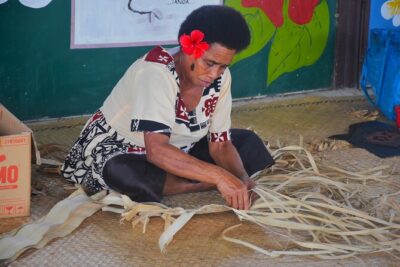
Jewel Of Fiji Incl Fijian Village Waterfall Pacific Harbor Hotels
Read our review →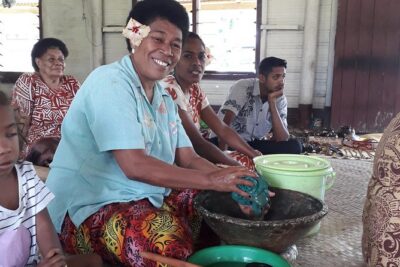
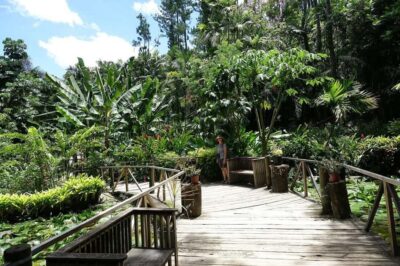
SABETO: Exquisite Orchid Garden with Hotspring Mudpool
Read our review →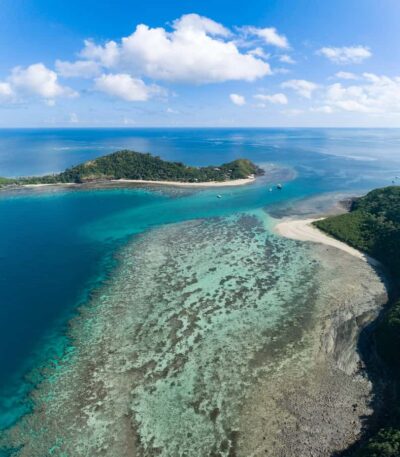
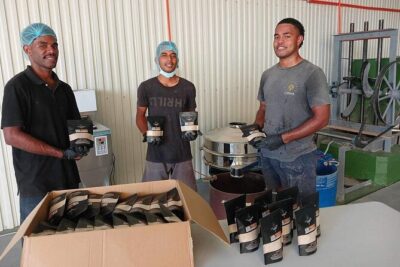
Kava Factory Tour and Flavored Kava Tasting Experience
Read our review →
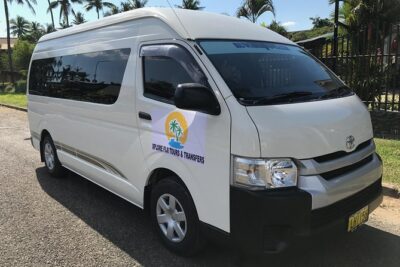
Intercontinental Fiji Golf Resort to Nadi Airport – Private Vehicle
Read our review →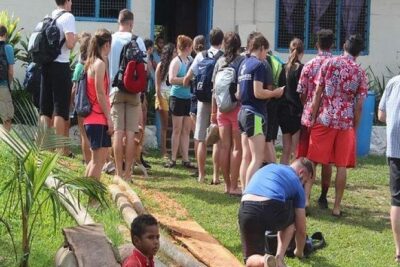
Zipline, Waterfalls, and Jungle Safari Tour with Lunch
Read our review →
Private Tour with Temple, Garden, Markets & Mud Pools
Read our review →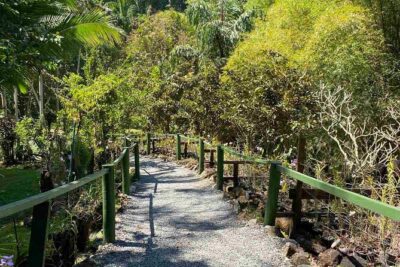
Half Day Nadi Tour Temple, Market, Gardens and Mud Pools
Read our review →